

About University of Minnesota-Duluth
Students pay an average net price of $18,464 after financial aid, with families earning under $30,000 paying just $6,393. Graduates earn a median of $62,616 ten years after graduation, making the typical debt load of $22,024 manageable with monthly payments of $233. The math works out favorably for most students, especially considering the strong job placement rate of 98.1%.
The student body is 85% Minnesotan, creating a tight-knit community feel among the 16:1 student-faculty ratio. NCAA Division II Bulldogs athletics field 12 varsity sports with 381 student-athletes competing. The 64.5% six-year graduation rate reflects the school's commitment to helping working-class students complete their degrees while balancing jobs and family responsibilities.
Academics & Faculty
Source: College Scorecard / U.S. Department of Education
- Student-to-Faculty Ratio
- 16:1
- Full-Time Faculty
- 83.8%
- Graduation Rate (4-year)
- 63.4%
- Graduation Rate (6-year)
- 64.5%
- Retention Rate
- 80.8%
- Median Earnings (10 years)
- $62,616
- Carnegie Classification
- Master's University (Large)
Popular Programs by Earnings
| Program | Level | Median Earnings |
|---|---|---|
| Mechanical Engineering. | Bachelor | $64,940 |
| Electrical, Electronics and Communications Engineering. | Bachelor | $64,493 |
| Chemical Engineering. | Bachelor | $62,012 |
| Computer Systems Networking and Telecommunications. | Bachelor | $61,218 |
| Computer Science. | Bachelor | $61,020 |
| Statistics. | Bachelor | $57,318 |
| Civil Engineering. | Bachelor | $56,979 |
| Finance and Financial Management Services. | Bachelor | $53,244 |
| Accounting and Related Services. | Bachelor | $52,651 |
| Marketing. | Bachelor | $50,231 |
Campus Life
Weekend adventures often involve skiing, snowshoeing, or hiking in the nearby Superior National Forest. The Bulldogs compete in 12 NCAA Division II sports, with hockey being a particular passion among the student body. Students frequently head to Canal Park downtown or take advantage of the extensive trail systems for outdoor recreation. The campus overlooks Lake Superior, providing dramatic views that make up for the brutal cold.
With 85% of students coming from Minnesota, most arrive prepared for the weather and outdoor lifestyle. Spring brings relief and renewed energy as students emerge from winter hibernation to enjoy the brief but spectacular warm months.
- Setting
- City-Small
- Housing Capacity
- 2,970 beds
- Calendar System
- Semester
- Study Abroad
- Available
Campus Safety (2023)
49 total reported incidents. Source: Clery Act / U.S. Department of Education
| Offense | On Campus | Residential | Noncampus | Public Property |
|---|---|---|---|---|
| Stalking | 17 | 7 | 0 | 0 |
| Burglary | 5 | 4 | 0 | 0 |
| Rape | 4 | 3 | 0 | 0 |
| Fondling | 2 | 2 | 0 | 0 |
| Dating Violence | 1 | 1 | 0 | 0 |
| Domestic Violence | 1 | 1 | 0 | 0 |
| Aggravated Assault | 1 | 0 | 0 | 0 |
Climate & Weather
- January Avg
- 4°–20°F
- July Avg
- 57°–75°F
- Annual Precipitation
- 31.1"
- Annual Snowfall
- 90.2"
Student Demographics
- Men
- 51.1%
- Women
- 48.9%
- White
- 83.9%
- Black
- 2.3%
- Hispanic
- 3.9%
- Asian
- 3.0%
- In-State Students
- 85.1%
- Pell Grant Recipients
- 18.2%
Location
- Address
- Duluth, Minnesota 55812
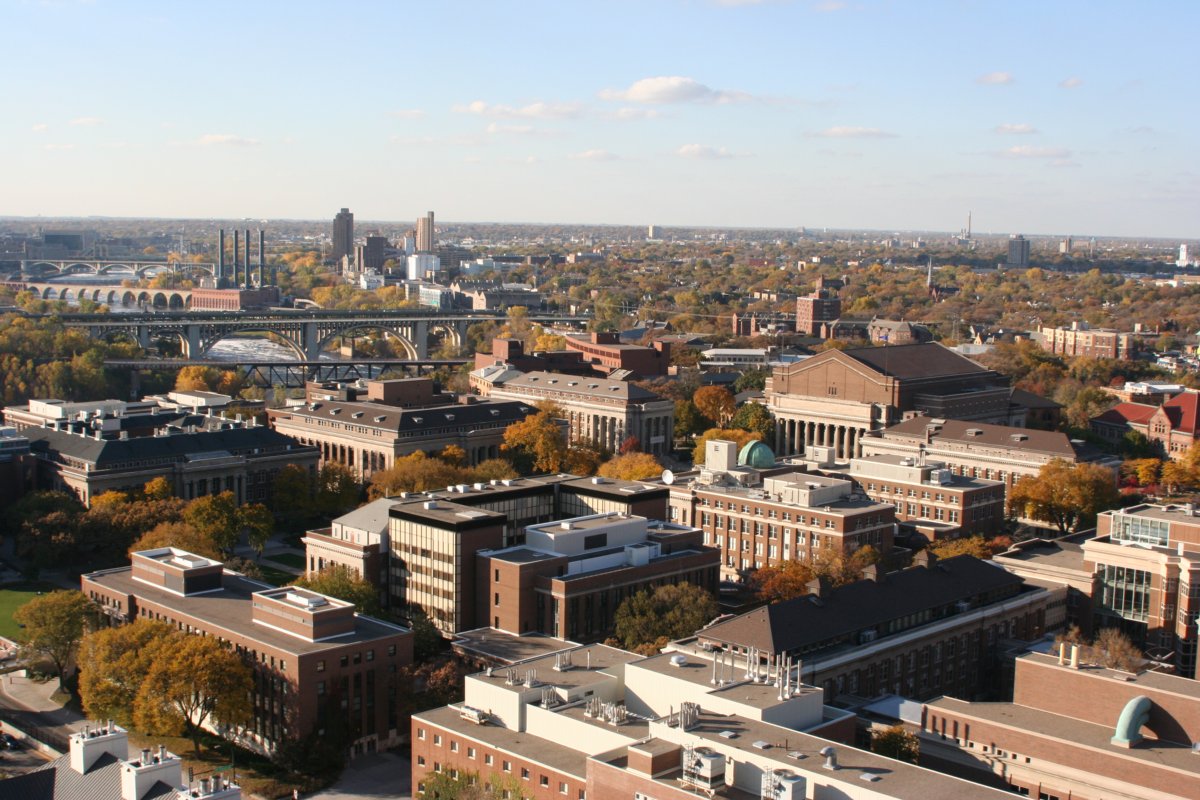
After College
Source: College Scorecard / U.S. Department of Education
- Median Earnings (10 years)
- $62,616
- Median Earnings (5 years)
- $64,734
- Mean Earnings (6 years after entry)
- $40,900
- Loan Repayment Rate
- 75.3%
- Monthly Loan Payment
- $233/mo
- Median Debt at Graduation
- $22,024
Frequently Asked Questions
What is the acceptance rate at University of Minnesota-Duluth?
University of Minnesota-Duluth accepts 80.7% of applicants, making it accessible to most students who meet basic requirements. The middle 50% of admitted students score between 1120 and 1350 on the SAT. This regional campus focuses on serving Minnesota students, with 85% of enrollment coming from in-state.
How much does University of Minnesota-Duluth cost after financial aid?
Students pay an average net price of $18,464 after aid, though costs vary dramatically by family income. Low-income families earning under $30,000 pay just $6,393 on average. Graduates leave with a median debt of $22,024, which translates to monthly payments of $233.
What academic programs is University of Minnesota-Duluth known for?
The university excels in engineering, education, and natural resources with research focused on the Lake Superior region. Students work with faculty in a 16:1 ratio across these specialized programs. The school's location gives students unique access to freshwater research and environmental studies.
How do University of Minnesota-Duluth graduates perform in the job market?
Graduates achieve a 98.1% employment rate, well above national averages for regional universities. Ten years after graduation, alumni earn a median salary of $62,616. The 64.5% six-year graduation rate reflects the school's focus on practical, career-oriented education.
What is campus life like at University of Minnesota-Duluth?
The 7,475-student campus maintains a close-knit feel in Duluth's small city setting. Housing accommodates 2,970 students, creating a residential experience for many undergraduates. The Bulldogs compete in NCAA Division II with 381 student-athletes across 12 varsity sports.
Does University of Minnesota-Duluth have any famous alumni?
Bob Dylan and Jessica Lange both attended the university, though Dylan famously dropped out after one year. The school's 80.83% retention rate suggests most current students are more committed to finishing their degrees. This regional campus has quietly produced notable figures in music and entertainment.
Similar Schools






Affordable Programs in Minnesota
College Planning Guides
About This Data
Statistics on this page come from the U.S. Department of Education’s College Scorecard and IPEDS (2023–24 data year), with climate normals from NOAA and campus safety figures from Clery Act reports. CampusGuide does not estimate or adjust reported figures. Read our full methodology.