
About Temple University
The average student pays $29,219 annually after financial aid, making Temple one of the more affordable options for a major research university experience. Graduates earn a median of $63,727 ten years after graduation, while typical debt loads hit $24,395. Monthly loan payments average $259, which most graduates can manage given the solid earning potential. About 30% of students receive Pell Grants, reflecting the school's commitment to economic diversity.
Temple's student body is 70.70% in-state, creating a strong Pennsylvania connection while drawing talent from across the country. The Owls compete in 17 Division I sports with nearly $16 million in athletic scholarships. With a 12:1 student-faculty ratio and 83.38% of students returning for sophomore year, Temple combines the resources of a large university with surprisingly personal attention.
Academics & Faculty
Source: College Scorecard / U.S. Department of Education
- Student-to-Faculty Ratio
- 12:1
- Full-Time Faculty
- 56.4%
- Graduation Rate (4-year)
- 76.3%
- Graduation Rate (6-year)
- 74.7%
- Retention Rate
- 83.4%
- Median Earnings (10 years)
- $63,727
- Carnegie Classification
- Doctoral University (R1)
Popular Programs by Earnings
| Program | Level | Median Earnings |
|---|---|---|
| Pharmacy, Pharmaceutical Sciences, and Administration. | Doctoral | $118,584 |
| Registered Nursing, Nursing Administration, Nursing Research and Clinical Nursing. | Doctoral | $109,763 |
| Business Administration, Management and Operations. | Master | $102,409 |
| Dentistry. | Doctoral | $101,792 |
| Pharmacy, Pharmaceutical Sciences, and Administration. | Master | $93,520 |
| Rehabilitation and Therapeutic Professions. | Doctoral | $74,641 |
| Health and Medical Administrative Services. | Master | $74,307 |
| Educational Administration and Supervision. | Doctoral | $71,575 |
| Legal Research and Advanced Professional Studies. | Master | $70,456 |
| Registered Nursing, Nursing Administration, Nursing Research and Clinical Nursing. | Bachelor | $70,100 |
Campus Life
The Cherry and White spirit runs deep here, especially during basketball season when the Liacouras Center fills with screaming Owls fans. With 70.7% of students coming from Pennsylvania, many head home on weekends, but plenty stick around to explore Philadelphia's food scene, museums, and neighborhoods. The diverse student body reflects the city itself, 46.3% white, 17.2% Black, and 15.3% Asian students create a active campus culture. Greek life, student organizations, and the nearby Temple Performing Arts Center keep campus buzzing. The 12:1 student-faculty ratio means you won't get lost in lecture halls, despite Temple's research university status.
- Setting
- City-Large
- Housing Capacity
- 5,061 beds
- Calendar System
- Semester
- Study Abroad
- Available
- Founded
- 1884
Campus Safety (2023)
139 total reported incidents. Source: Clery Act / U.S. Department of Education
| Offense | On Campus | Residential | Noncampus | Public Property |
|---|---|---|---|---|
| Motor Vehicle Theft | 6 | 0 | 0 | 25 |
| Robbery | 4 | 0 | 0 | 16 |
| Fondling | 14 | 0 | 0 | 5 |
| Aggravated Assault | 3 | 1 | 0 | 11 |
| Burglary | 12 | 2 | 0 | 0 |
| Domestic Violence | 8 | 0 | 0 | 6 |
| Stalking | 8 | 5 | 0 | 0 |
| Dating Violence | 2 | 2 | 0 | 1 |
| Rape | 2 | 2 | 0 | 0 |
| Arson | 2 | 0 | 0 | 1 |
| Murder | 0 | 0 | 0 | 1 |
Climate & Weather
- January Avg
- 27°–41°F
- July Avg
- 71°–89°F
- Annual Precipitation
- 50.7"
- Annual Snowfall
- 16.1"
Student Demographics
- Men
- 44.6%
- Women
- 55.4%
- White
- 46.3%
- Black
- 17.2%
- Hispanic
- 9.9%
- Asian
- 15.3%
- In-State Students
- 70.7%
- Pell Grant Recipients
- 30.1%
Location
- Address
- Philadelphia, Pennsylvania 19122-6096
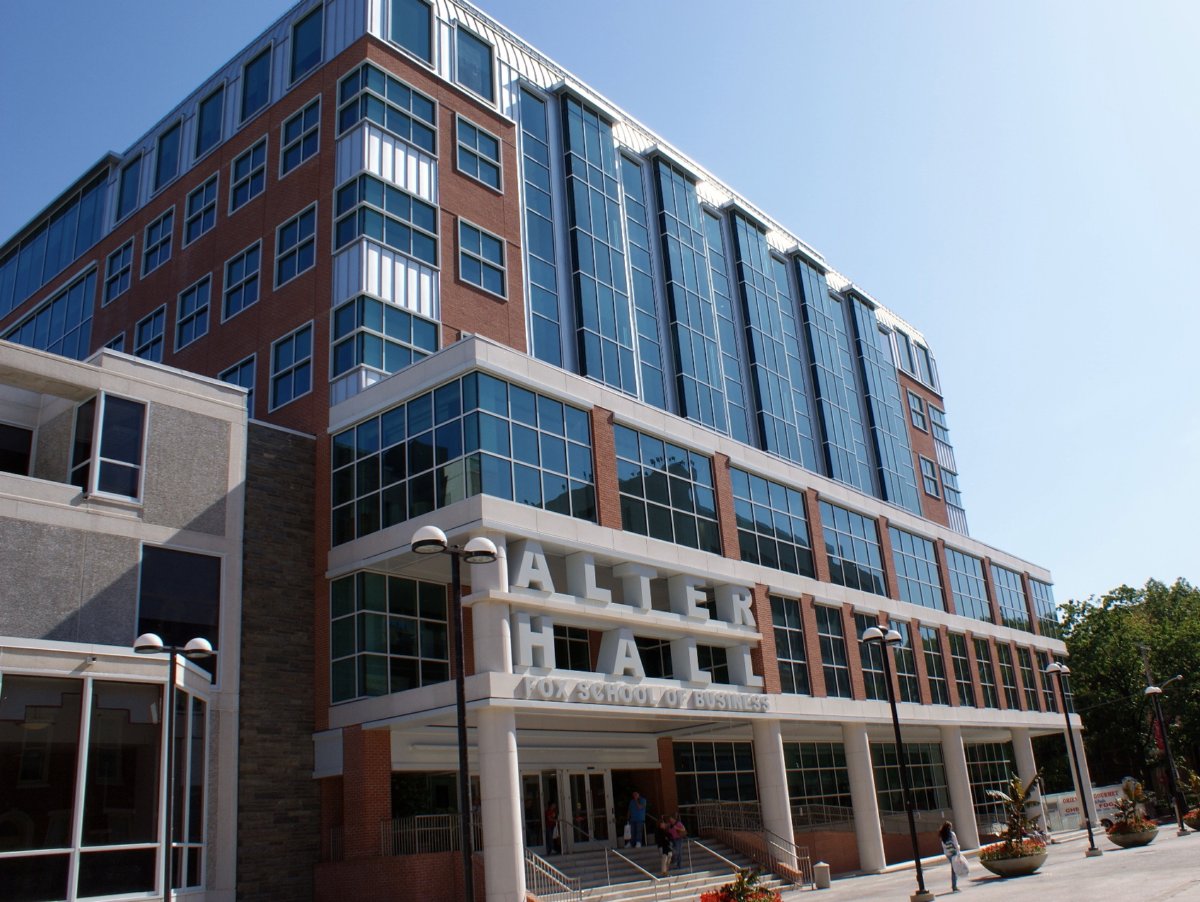
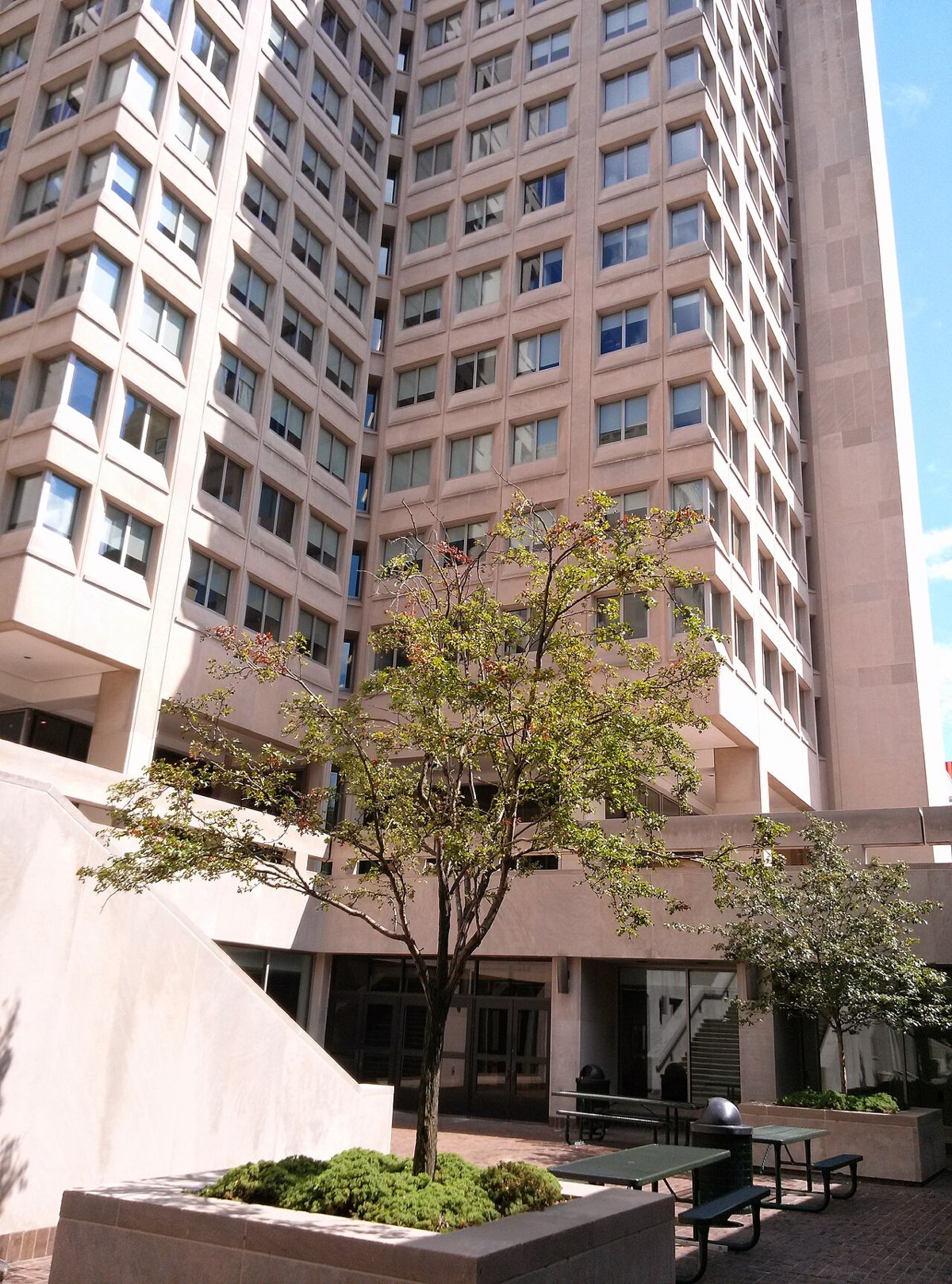
After College
Source: College Scorecard / U.S. Department of Education
- Median Earnings (10 years)
- $63,727
- Median Earnings (5 years)
- $63,202
- Mean Earnings (6 years after entry)
- $42,200
- Loan Repayment Rate
- 68.5%
- Monthly Loan Payment
- $259/mo
- Median Debt at Graduation
- $24,395
Frequently Asked Questions
What is the acceptance rate at Temple University?
Temple University accepts 79.70% of applicants, making it moderately accessible for most students. The university draws a diverse student body of 21,249 students, with 70.70% coming from Pennsylvania.
How much does Temple University cost after financial aid?
The average net price is $29,219 per year across all income levels. Students from families earning under $30,000 pay around $23,080 after aid, while those from higher-income families ($110,000+) pay $34,632.
What is Temple University known for academically?
Temple operates as a major research university with a 12:1 student-faculty ratio, providing solid access to professors. The school has built strong reputations in business, communications, and medicine, attracting students who want urban opportunities alongside rigorous academics.
What do Temple University graduates earn after college?
Alumni earn a median of $63,727 ten years after graduation, reflecting the value of Temple's professional programs. With a 76.30% four-year graduation rate and 94.3% employment rate, most students successfully transition into their careers.
Where is Temple University's campus located?
The campus sits in North Philadelphia, giving students access to internships, cultural venues, and job opportunities in America's sixth-largest city. On-campus housing accommodates 5,061 students, though many choose to live in the surrounding neighborhoods.
Does Temple University have strong athletics?
The Owls compete in NCAA Division I with 17 varsity sports and 493 total athletes. Temple invests $15.67 million in athletic scholarships and competes in the American Athletic Conference, maintaining visibility in college sports.