
About University of Colorado Boulder
Students pay an average net price of $21,480 after aid, though costs vary dramatically by family income. Families earning under $30,000 pay just $11,251, while those earning over $110,000 pay $30,549. Graduates earn a median of $69,738 ten years out, making the typical debt load of $19,500 manageable with monthly payments of $207. The investment pays off with a 93.8% employment rate.
Boulder's campus culture balances rigorous academics with mountain adventure access. The student body tilts male at 53.32% and draws 55.52% in-state students who know Colorado's outdoor reputation. The 89.17% retention rate suggests students love the mix of research opportunities and recreation that defines this flagship university.
Academics & Faculty
Source: College Scorecard / U.S. Department of Education
- Student-to-Faculty Ratio
- 19:1
- Full-Time Faculty
- 74.5%
- Graduation Rate (4-year)
- 74.9%
- Graduation Rate (6-year)
- 75.0%
- Retention Rate
- 89.2%
- Median Earnings (10 years)
- $69,738
- Carnegie Classification
- Doctoral University (R1)
Popular Programs by Earnings
| Program | Level | Median Earnings |
|---|---|---|
| Engineering, General. | Master | $116,679 |
| Aerospace, Aeronautical and Astronautical Engineering. | Doctoral | $97,071 |
| Computer Science. | Master | $94,408 |
| Electrical, Electronics and Communications Engineering. | Master | $93,342 |
| Aerospace, Aeronautical and Astronautical Engineering. | Master | $89,641 |
| Communication Disorders Sciences and Services. | Doctoral | $83,177 |
| Business Administration, Management and Operations. | Master | $80,503 |
| Computer Science. | Bachelor | $75,921 |
| Mechanical Engineering. | Master | $75,706 |
| Computer Engineering. | Bachelor | $75,204 |
Campus Life
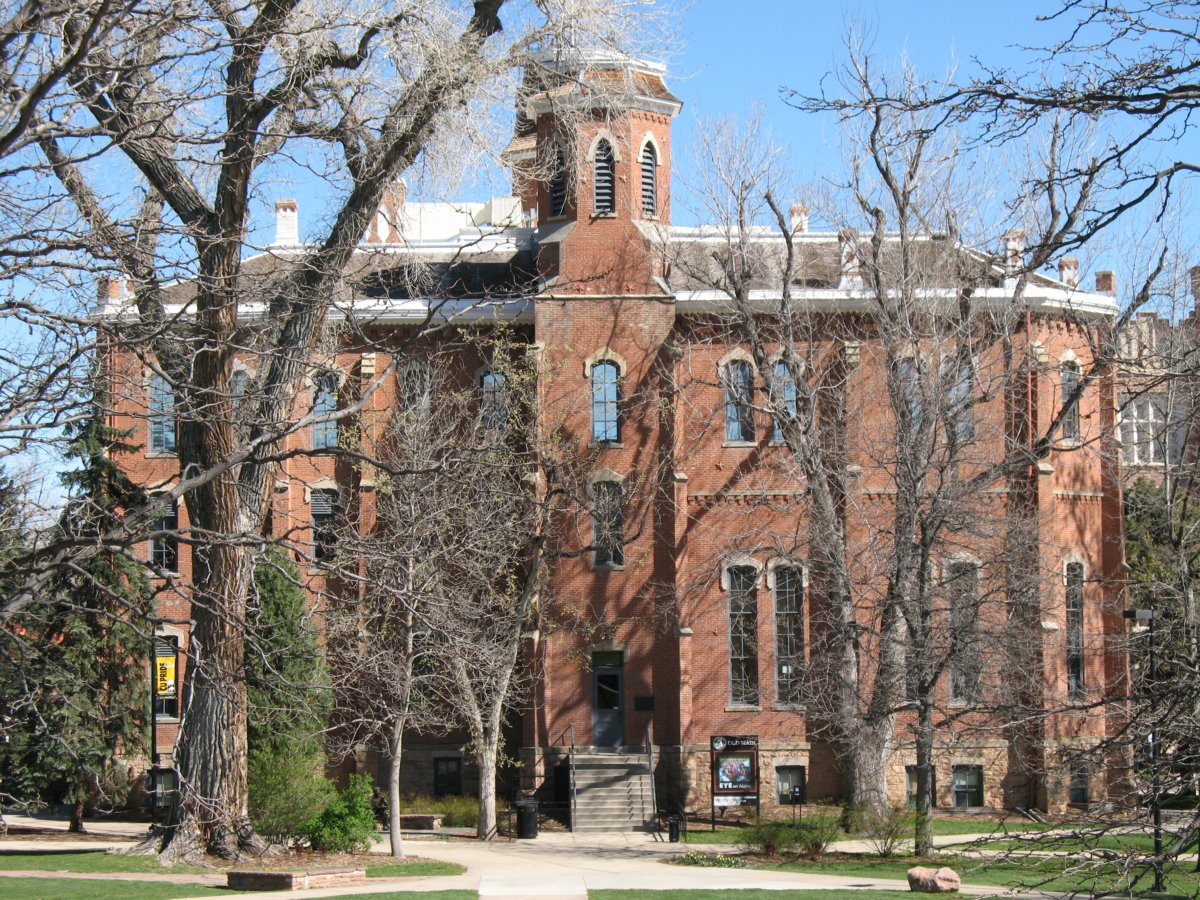
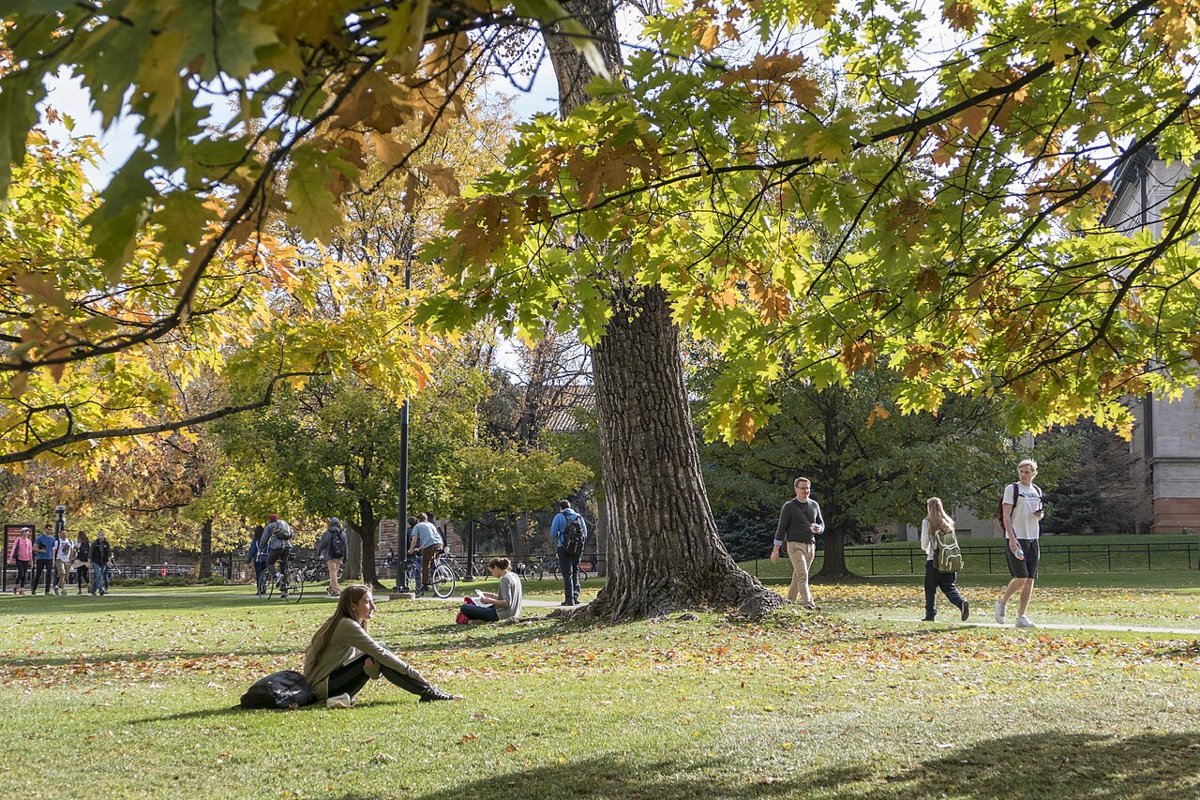
The Pearl Street Mall downtown draws students for weekend shopping and street performers, while nearby hiking trails like the Flatirons fill with backpack-wearing Buffs every Saturday. With a 19:1 student-faculty ratio, classes feel more personal than typical state schools. Campus traditions center on outdoor adventures rather than Greek life, though Ralphie the buffalo mascot running across Folsom Field before football games creates electric energy. The aerospace engineering program attracts future astronauts, while environmental science majors conduct research in actual wilderness. Students commonly ski in winter, mountain bike in summer, and study on outdoor patios year-round. The 89% retention rate reflects how quickly students adapt to Boulder's unique blend of academic rigor and mountain playground lifestyle.
- Setting
- City-Midsize
- Housing Capacity
- 7,550 beds
- Calendar System
- Semester
- Study Abroad
- Available
- Founded
- 1876
Campus Safety (2023)
301 total reported incidents. Source: Clery Act / U.S. Department of Education
| Offense | On Campus | Residential | Noncampus | Public Property |
|---|---|---|---|---|
| Burglary | 64 | 14 | 2 | 0 |
| Rape | 36 | 35 | 0 | 0 |
| Fondling | 25 | 10 | 2 | 0 |
| Stalking | 25 | 5 | 0 | 0 |
| Dating Violence | 17 | 9 | 0 | 0 |
| Motor Vehicle Theft | 22 | 1 | 1 | 0 |
| Aggravated Assault | 13 | 5 | 0 | 0 |
| Arson | 8 | 1 | 0 | 0 |
| Domestic Violence | 2 | 1 | 0 | 1 |
| Robbery | 2 | 0 | 0 | 0 |
Climate & Weather
- January Avg
- 21°–47°F
- July Avg
- 57°–88°F
- Annual Precipitation
- 21.2"
- Annual Snowfall
- 92.8"
Student Demographics
- Men
- 53.3%
- Women
- 46.7%
- White
- 67.8%
- Black
- 1.8%
- Hispanic
- 13.5%
- Asian
- 6.2%
- In-State Students
- 55.5%
- Pell Grant Recipients
- 14.8%
Location
- Address
- Boulder, Colorado 80309-0017

After College
Source: College Scorecard / U.S. Department of Education
- Median Earnings (10 years)
- $69,738
- Median Earnings (5 years)
- $72,742
- Mean Earnings (6 years after entry)
- $42,700
- Loan Repayment Rate
- 73.8%
- Monthly Loan Payment
- $207/mo
- Median Debt at Graduation
- $19,500
Frequently Asked Questions
What is the acceptance rate at University of Colorado Boulder?
University of Colorado Boulder accepts 80.73% of applicants, making it moderately accessible for most students. The middle 50% of admitted students score between 1160-1390 on the SAT. This public research university attracts students drawn to its strong aerospace engineering and environmental science programs.
How much does University of Colorado Boulder cost after financial aid?
Students pay an average net price of $21,480 after aid, though this varies by family income. Families earning under $30,000 pay just $11,251 on average, while those earning over $110,000 pay $30,549. Graduates typically leave with $19,500 in debt and monthly loan payments of $207.
What academic programs is University of Colorado Boulder known for?
The university excels in aerospace engineering, environmental science, and journalism programs that leverage Boulder's proximity to tech companies and research facilities. With 31,578 students and a 19:1 student-faculty ratio, CU Boulder offers the resources of a major research university. The school maintains an 89.17% retention rate, indicating strong student satisfaction.
What are the job prospects after graduating from University of Colorado Boulder?
CU Boulder graduates earn a median salary of $69,738 ten years after graduation, with a strong 93.8% employment rate. The 75% six-year graduation rate reflects the university's ability to help students complete their degrees. Notable alumni include South Park creators Trey Parker and Matt Stone, showcasing the school's creative programs.
Where is University of Colorado Boulder located and what is campus life like?
The campus sits in Boulder, Colorado, a midsize city known for outdoor recreation and proximity to the Rocky Mountains. With housing capacity for 7,550 students out of 31,578 total enrollment, many students live off-campus in the active college town. The Buffaloes compete in NCAA Division I athletics with 13 varsity sports and 408 total athletes.
How diverse is the student body at University of Colorado Boulder?
The student body is 67.76% white with growing diversity, including 13.49% Hispanic and 6.21% Asian students. About 55.52% of students come from in-state, while 44.48% travel from other states to attend. The gender split is fairly balanced with 53.32% men and 46.68% women across the 31,578 total students.
Similar Schools



Compare University of Colorado Boulder
Affordable Programs in Colorado
College Planning Guides
About This Data
Statistics on this page come from the U.S. Department of Education’s College Scorecard and IPEDS (2023–24 data year), with climate normals from NOAA and campus safety figures from Clery Act reports. CampusGuide does not estimate or adjust reported figures. Read our full methodology.