
About Texas A & M University-Commerce
The financial picture tells a promising story for working families. Students from households earning under $30,000 pay just $8,709 after aid, while even middle-income families see net prices around $11,000-$17,000. Graduates earn a median of $50,296 ten years after graduation, making the typical debt load of $20,500 quite manageable with monthly payments of $217. The employment rate hits 95.5%, reflecting strong job placement in education and other fields.
Women make up 60% of the student body, which is 40% white, 26% Hispanic, and 19% Black. Nearly all students come from Texas, creating a tight-knit community feel. The Lions compete in NCAA Division I with 10 varsity sports and 324 total athletes. With a 19:1 student-faculty ratio, classes stay reasonably sized despite being a regional university serving multiple counties across East Texas.
Academics & Faculty
Source: College Scorecard / U.S. Department of Education
- Student-to-Faculty Ratio
- 19:1
- Full-Time Faculty
- 45.9%
- Graduation Rate (4-year)
- 44.2%
- Graduation Rate (6-year)
- 45.9%
- Retention Rate
- 63.1%
- Median Earnings (10 years)
- $50,296
- Carnegie Classification
- Doctoral/Professional University
Popular Programs by Earnings
| Program | Level | Median Earnings |
|---|---|---|
| Educational Administration and Supervision. | Doctoral | $71,015 |
| Finance and Financial Management Services. | Master | $70,456 |
| Industrial Production Technologies/Technicians. | Master | $69,732 |
| Business Administration, Management and Operations. | Master | $68,688 |
| Registered Nursing, Nursing Administration, Nursing Research and Clinical Nursing. | Bachelor | $64,196 |
| Accounting and Related Services. | Master | $59,801 |
| Computer and Information Sciences, General. | Bachelor | $57,318 |
| Educational Administration and Supervision. | Master | $53,726 |
| Industrial Production Technologies/Technicians. | Bachelor | $52,107 |
| Teacher Education and Professional Development, Specific Levels and Methods. | Master | $52,107 |
Campus Life
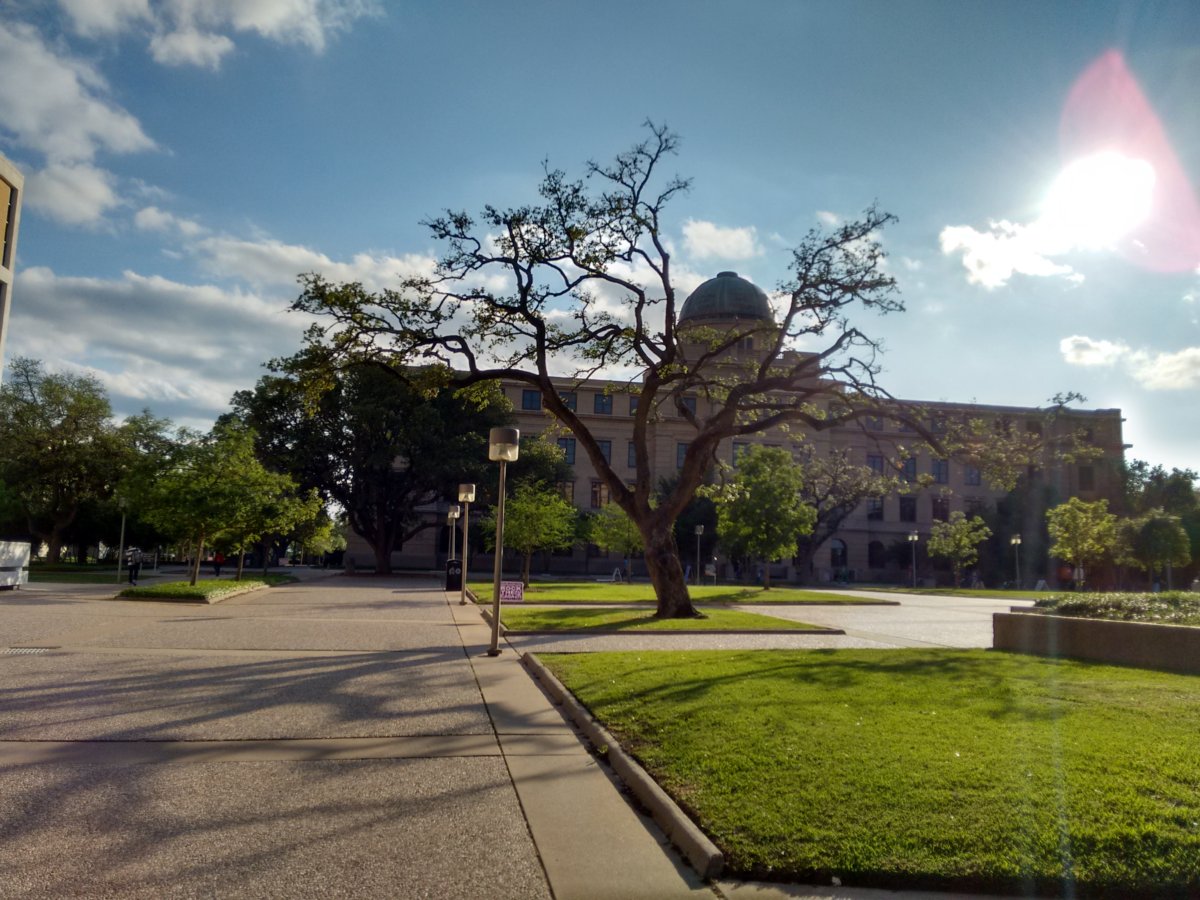
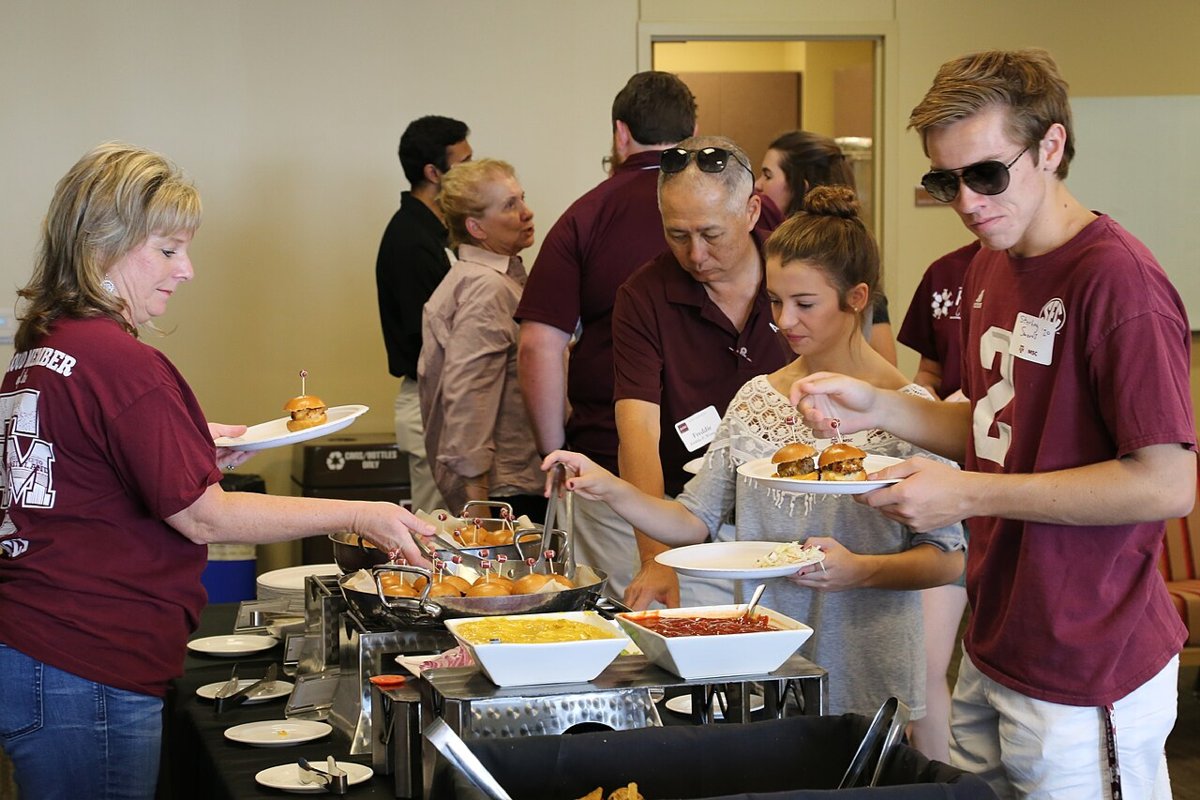
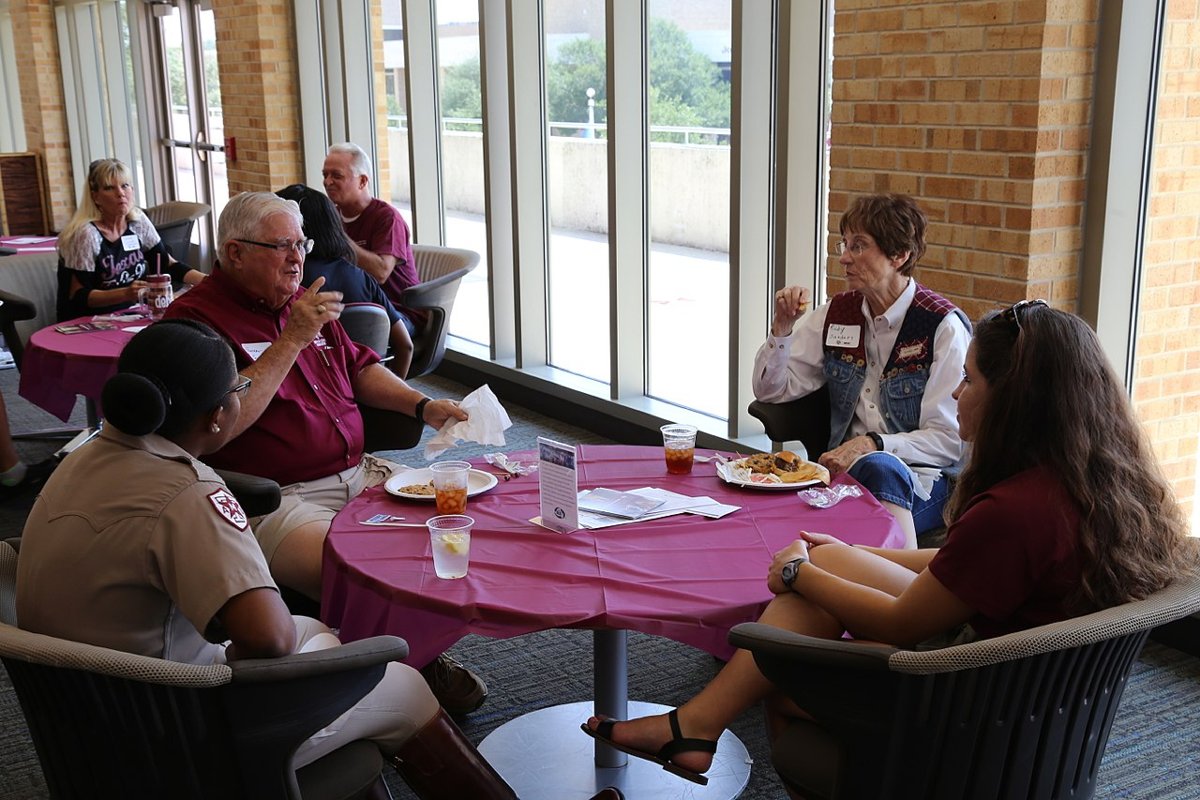
The 97% in-state enrollment creates a tight-knit Texas atmosphere where many students know each other from high school or have mutual friends. Football Saturdays draw crowds to Memorial Stadium, though the Lions compete in Division I with just 324 total athletes across 10 sports. Students often head to nearby Lake Tawakoni for weekend activities or make the hour drive to Dallas for concerts and nightlife. The education program's strong reputation means future teachers form study groups in residence halls and coffee shops around the historic town square. Campus traditions center around homecoming and Greek life, while the 19:1 student-faculty ratio ensures professors know your name by midterm.
- Setting
- Town-Distant
- Housing Capacity
- 2,300 beds
- Calendar System
- Semester
- Study Abroad
- Available
Campus Safety (2023)
84 total reported incidents. Source: Clery Act / U.S. Department of Education
| Offense | On Campus | Residential | Noncampus | Public Property |
|---|---|---|---|---|
| Dating Violence | 13 | 12 | 1 | 0 |
| Burglary | 10 | 7 | 0 | 0 |
| Rape | 8 | 7 | 0 | 1 |
| Fondling | 6 | 4 | 0 | 0 |
| Stalking | 8 | 1 | 0 | 0 |
| Domestic Violence | 4 | 2 | 0 | 0 |
Climate & Weather
- January Avg
- 33°–57°F
- July Avg
- 74°–97°F
- Annual Precipitation
- 47.0"
- Annual Snowfall
- 0.1"
Student Demographics
- Men
- 39.8%
- Women
- 60.2%
- White
- 39.5%
- Black
- 19.3%
- Hispanic
- 26.1%
- Asian
- 2.3%
- In-State Students
- 97.2%
- Pell Grant Recipients
- 40.5%
Location
- Address
- Commerce, Texas 75428
After College
Source: College Scorecard / U.S. Department of Education
- Median Earnings (10 years)
- $50,296
- Median Earnings (5 years)
- $53,998
- Mean Earnings (6 years after entry)
- $36,000
- Loan Repayment Rate
- 46.6%
- Monthly Loan Payment
- $217/mo
- Median Debt at Graduation
- $20,500
Frequently Asked Questions
What is the acceptance rate at Texas A & M University-Commerce?
Texas A & M University-Commerce accepts 86.45% of applicants, making admission relatively accessible for most students. The middle 50% of admitted students score between 913-1150 on the SAT. This regional university focuses on serving East Texas students rather than competing for highly selective admissions.
How much does Texas A & M University-Commerce cost after financial aid?
Students pay an average net price of $11,268 annually after financial aid. Low-income families earning under $30,000 pay just $8,709 per year on average. With 40.5% of students receiving Pell Grants, the university works to keep education affordable for working-class Texas families.
What academic programs is Texas A & M University-Commerce known for?
The university built its reputation on teacher education programs that prepare educators for East Texas schools. With a 19:1 student-faculty ratio across 8,249 students, classes remain reasonably sized for a regional public university. The school focuses on practical career preparation rather than research.
What are the graduation and employment outcomes at Texas A & M University-Commerce?
The university graduates 45.90% of students within six years, with graduates earning a median salary of $50,296 ten years after enrollment. The 95.5% employment rate shows strong job placement success. However, the 63.06% retention rate indicates some students struggle to persist through their first year.
Where is Texas A & M University-Commerce located and what is campus life like?
The campus sits in Commerce, Texas, a small town about 65 miles northeast of Dallas. With housing for 2,300 students out of 8,249 total enrollment, most students commute from the surrounding region. The university fields 10 NCAA Division I sports with 324 total athletes competing.
Does Texas A & M University-Commerce serve a diverse student population?
The student body is 60.24% women and reflects East Texas demographics with 39.5% White, 26.11% Hispanic, and 19.3% Black students. An overwhelming 97.18% of students come from Texas, making this truly a regional institution. This diversity mirrors the changing demographics of rural and small-town Texas communities the university serves.