

About Union Bible College
Academics & Faculty
Source: College Scorecard / U.S. Department of Education
- Student-to-Faculty Ratio
- 14:1
- Full-Time Faculty
- 36.8%
- Graduation Rate (4-year)
- 45.5%
- Graduation Rate (6-year)
- 36.4%
- Retention Rate
- 60.0%
- Carnegie Classification
- Associate College (High Transfer)
Campus Life
The small size creates an intimate community where missing chapel or skipping class gets noticed quickly. Students gather for prayer groups and Bible study sessions that extend late into weeknight hours. With 26% of students receiving Pell grants, many work part-time jobs in Westfield or nearby Carmel to supplement the low $6,230 tuition. Weekends often revolve around local church activities and ministry work rather than traditional college parties. The 60% retention rate reflects the intense religious focus that either deeply connects students to the mission or prompts transfers to larger institutions. Campus life centers on spiritual development rather than athletics or Greek life.
- Setting
- Suburb-Large
- Housing Capacity
- 72 beds
- Calendar System
- Semester
Campus Safety (2023)
No reported Clery Act crimes in 2023.
Climate & Weather
- January Avg
- 18°–34°F
- July Avg
- 64°–84°F
- Annual Precipitation
- 44.4"
- Annual Snowfall
- 20.3"
Student Demographics
- Men
- 47.7%
- Women
- 52.3%
- White
- 44.5%
- Black
- 2.6%
- Hispanic
- 25.8%
- Asian
- 25.8%
- In-State Students
- 28.6%
- Pell Grant Recipients
- 26.5%
Location
- Address
- Westfield, Indiana 46074-0900
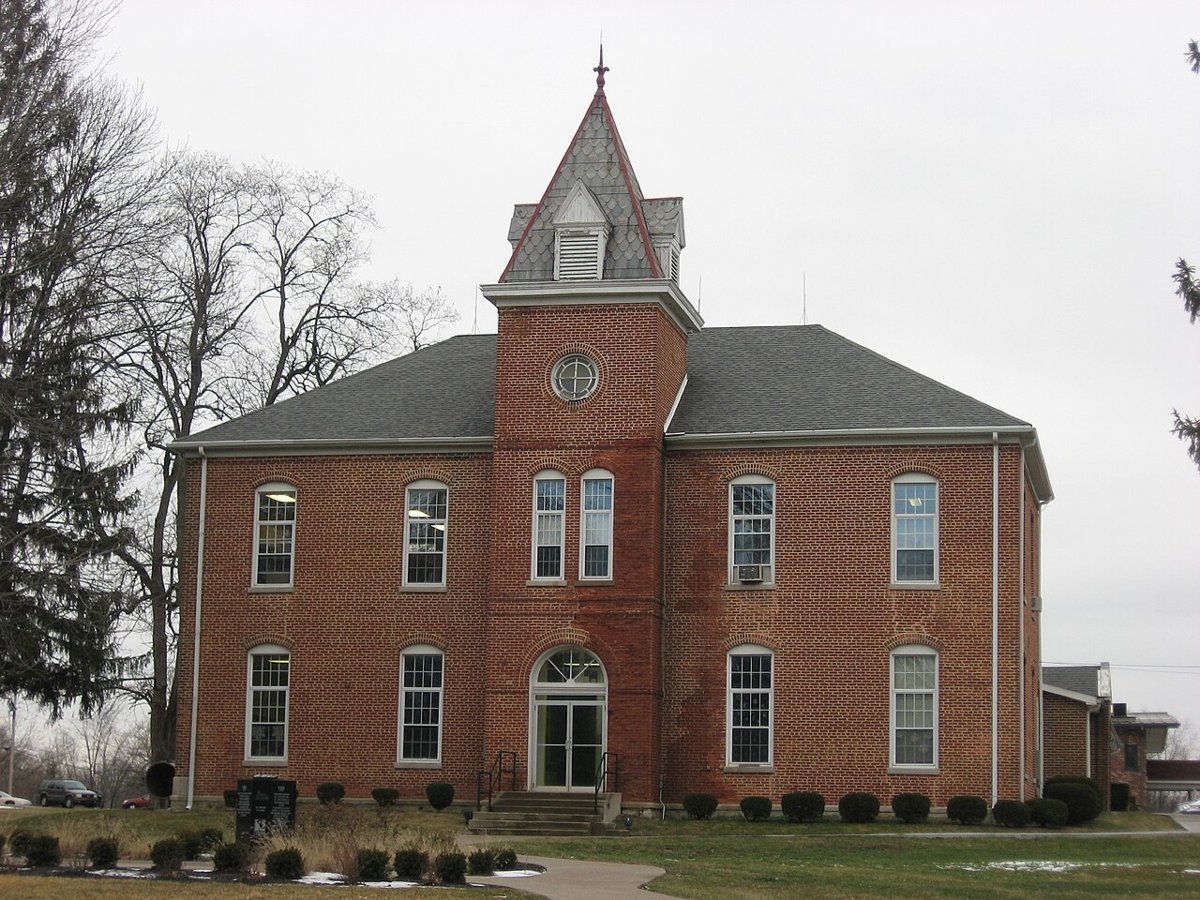
After College
Source: College Scorecard / U.S. Department of Education
Frequently Asked Questions
What is the acceptance rate at Union Bible College?
Union Bible College accepts 89% of applicants, making admission relatively accessible for students seeking biblical education. The school focuses on training future ministers and Christian workers rather than maintaining highly selective admissions standards.
How much does Union Bible College cost after financial aid?
Students pay an average net price of $7,187 annually at Union Bible College. With total attendance costs of just $11,620 including room and board, this makes it one of the most affordable private college options in Indiana.
What is the student-faculty ratio at Union Bible College?
Union Bible College maintains a 14:1 student-faculty ratio with total enrollment of just 155 students. This intimate setting allows for personalized mentorship and close relationships between students and faculty in biblical studies programs.
What are the graduation rates at Union Bible College?
Union Bible College has a 45% four-year graduation rate and 36% six-year graduation rate. The retention rate of 60% reflects the specialized nature of biblical education, where some students may transfer to complete secular degrees or enter ministry earlier than expected.
Where do students live at Union Bible College?
Union Bible College houses students in residence halls with capacity for 72 people on the suburban campus in Westfield. Room and board costs $4,890 annually, creating an affordable Christian community living environment for the small student body.
Is Union Bible College diverse in its student population?
Union Bible College serves a diverse student body with 45% White students, 26% Hispanic students, and 26% Asian students. The interdenominational Christian college draws students from across the country, with 72% coming from out-of-state to study biblical and ministry programs.
Similar Schools
Veritas Baptist College
Lawrenceburg, Indiana

Marian University-Ancilla
Plymouth, Indiana

Talmudical Yeshiva of Philadelphia
Philadelphia, Pennsylvania

Bet Medrash Gadol Ateret Torah
Brooklyn, New York
Rabbinical College of America
Morristown, New Jersey

Yeshiva Gedolah of Woodlake Village
Lakewood, New Jersey
College Planning Guides
About This Data
Statistics on this page come from the U.S. Department of Education’s College Scorecard and IPEDS (2023–24 data year), with climate normals from NOAA and campus safety figures from Clery Act reports. CampusGuide does not estimate or adjust reported figures. Read our full methodology.