
About University of Illinois Chicago
Students pay an average net price of $12,313 after financial aid, making this one of the better educational bargains in major metropolitan areas. Graduates earn a median of $68,740 ten years after graduation while carrying typical debt loads of $16,704. Nearly half of all students receive Pell Grants, and the monthly loan payment averages just $177. The return on investment works in students' favor, especially given Chicago's robust job market.
The student body reflects Chicago's diversity, with Hispanic students comprising 36.6% of enrollment and Asian students making up 20.7%. About 91% of students come from Illinois, creating a strong local network. The 78.4% retention rate suggests students find what they're looking for, though the 60.3% six-year graduation rate indicates the urban environment and work opportunities sometimes extend degree completion timelines.
Academics & Faculty
Source: College Scorecard / U.S. Department of Education
- Student-to-Faculty Ratio
- 17:1
- Full-Time Faculty
- 71.1%
- Graduation Rate (4-year)
- 60.9%
- Graduation Rate (6-year)
- 60.3%
- Retention Rate
- 78.4%
- Median Earnings (10 years)
- $68,740
- Carnegie Classification
- Doctoral University (R1)
Popular Programs by Earnings
| Program | Level | Median Earnings |
|---|---|---|
| Advanced/Graduate Dentistry and Oral Sciences. | Master | $208,572 |
| Advanced/Graduate Dentistry and Oral Sciences. | Certificate | $169,894 |
| Pharmacy, Pharmaceutical Sciences, and Administration. | Doctoral | $111,220 |
| Registered Nursing, Nursing Administration, Nursing Research and Clinical Nursing. | Doctoral | $108,092 |
| Public Health. | Doctoral | $106,421 |
| Dentistry. | Doctoral | $101,278 |
| Registered Nursing, Nursing Administration, Nursing Research and Clinical Nursing. | Master | $94,021 |
| Health and Medical Administrative Services. | Master | $91,744 |
| Engineering, Other. | Master | $84,653 |
| Engineering, General. | Master | $81,498 |
Campus Life
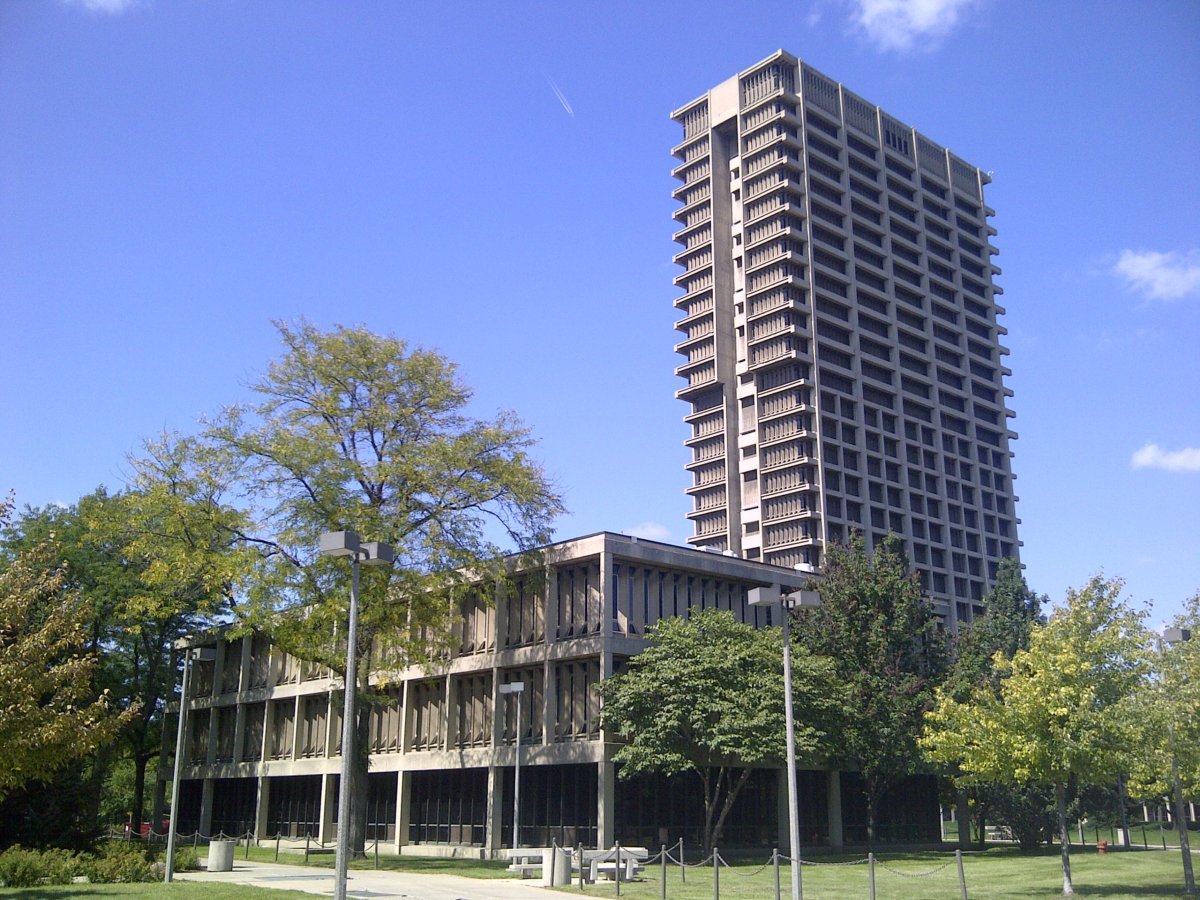
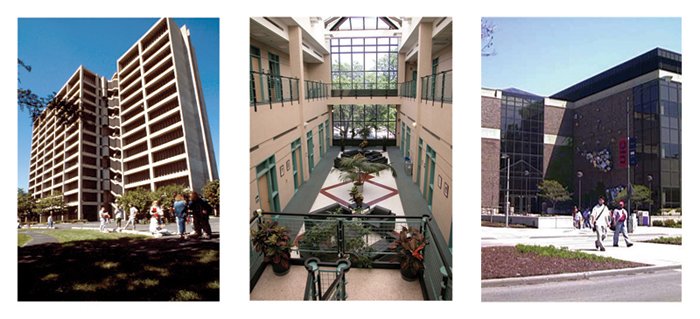
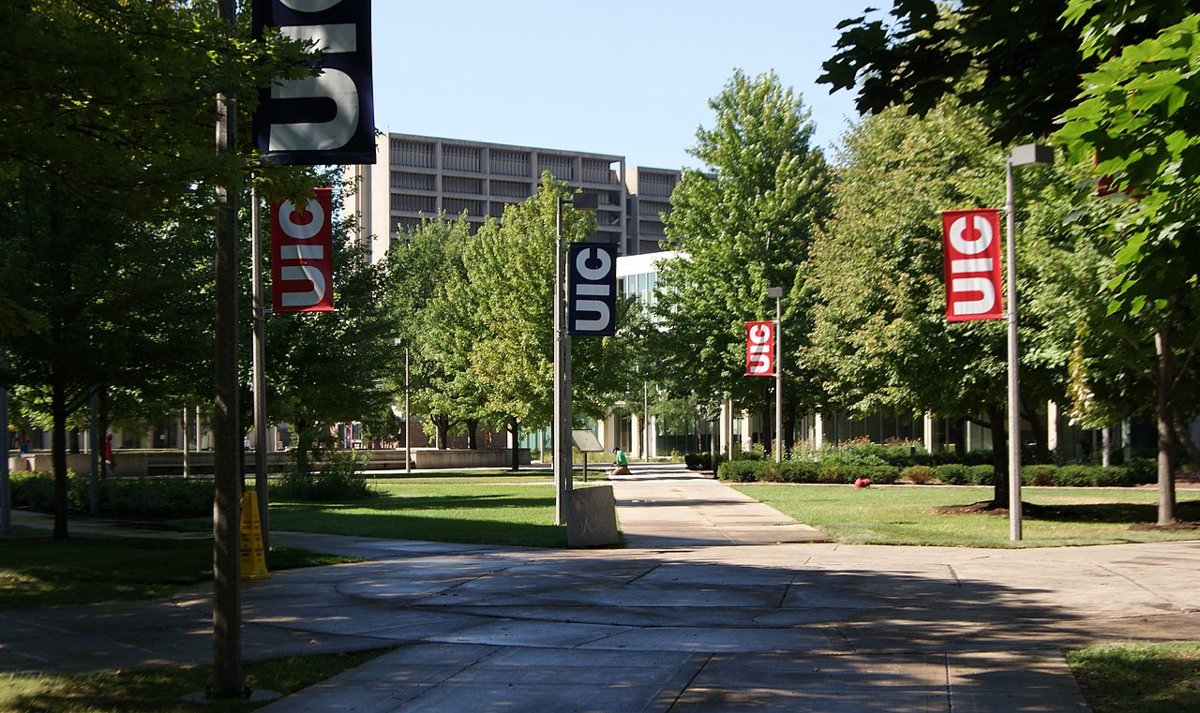
The campus blends modern glass buildings with converted warehouses in the Near West Side neighborhood. With 90.93% of students from Illinois, many already know the city well and head home on weekends. Those who stay explore Chicago's music venues, museums, and restaurants. The diverse student body reflects the city itself, with 36.59% Hispanic and 20.73% Asian students creating a multicultural environment. UIC lacks the traditional college town feel, but students gain real-world experience through the city's opportunities. The 17:1 student-faculty ratio means larger classes are common, though research opportunities abound at this major urban research university.
- Setting
- City-Large
- Housing Capacity
- 3,489 beds
- Calendar System
- Semester
- Study Abroad
- Available
- Founded
- 1983
Campus Safety (2023)
357 total reported incidents. Source: Clery Act / U.S. Department of Education
| Offense | On Campus | Residential | Noncampus | Public Property |
|---|---|---|---|---|
| Motor Vehicle Theft | 50 | 0 | 0 | 38 |
| Stalking | 57 | 20 | 0 | 5 |
| Domestic Violence | 25 | 9 | 0 | 16 |
| Burglary | 38 | 7 | 0 | 0 |
| Aggravated Assault | 11 | 0 | 0 | 28 |
| Rape | 13 | 7 | 0 | 1 |
| Robbery | 2 | 0 | 0 | 13 |
| Fondling | 6 | 2 | 0 | 5 |
| Arson | 2 | 1 | 0 | 0 |
| Murder | 0 | 0 | 0 | 1 |
Climate & Weather
- January Avg
- 20°–31°F
- July Avg
- 67°–81°F
- Annual Precipitation
- 44.3"
- Annual Snowfall
- 38.8"
Student Demographics
- Men
- 46.8%
- Women
- 53.2%
- White
- 22.8%
- Black
- 8.0%
- Hispanic
- 36.6%
- Asian
- 20.7%
- In-State Students
- 90.9%
- Pell Grant Recipients
- 49.6%
Location
- Address
- Chicago, Illinois 60607
After College
Source: College Scorecard / U.S. Department of Education
- Median Earnings (10 years)
- $68,740
- Median Earnings (5 years)
- $71,439
- Mean Earnings (6 years after entry)
- $43,100
- Loan Repayment Rate
- 68.8%
- Monthly Loan Payment
- $177/mo
- Median Debt at Graduation
- $16,704
Frequently Asked Questions
What is the acceptance rate at University of Illinois Chicago?
University of Illinois Chicago accepts 78.69% of applicants, making it moderately selective. The middle 50% of admitted students score between 1110-1340 on the SAT. UIC serves as an accessible entry point to quality education in one of America's largest cities.
How much does University of Illinois Chicago cost after financial aid?
Students pay an average net price of $12,313 annually after aid at University of Illinois Chicago. Nearly half of students (49.57%) receive Pell Grants, reflecting the university's commitment to serving working-class families. Graduates leave with a median debt load of just $16,704, well below national averages.
What academic programs is University of Illinois Chicago known for?
University of Illinois Chicago excels in medicine, engineering, and business with extensive research opportunities. The student-faculty ratio stands at 17:1, providing reasonable access to professors. UIC leverages its urban Chicago location to offer real-world learning experiences across multiple industries.
What do graduates of University of Illinois Chicago earn after graduation?
University of Illinois Chicago graduates earn a median salary of $68,740 ten years after graduation. The employment rate reaches 94%, demonstrating strong job market outcomes. UIC's Chicago location provides abundant internship and career opportunities in finance, healthcare, and technology.
Where do students live at University of Illinois Chicago?
University of Illinois Chicago houses 3,489 students on campus out of its total enrollment of 21,814. Most students commute from the greater Chicago area, as 90.93% come from in-state. The urban campus integrates directly with Chicago's Near West Side neighborhood.
How diverse is the student body at University of Illinois Chicago?
University of Illinois Chicago serves a majority-minority student population with 36.59% Hispanic students and 20.73% Asian students. White students comprise 22.84% of enrollment while Black students make up 7.95%. This diversity reflects Chicago's multicultural character and UIC's mission as an urban public university.