
About University of Southern Indiana
Students pay an average net price of $12,621 after financial aid, making it one of the more affordable options in Indiana. Graduates earn a median salary of $47,605 ten years after graduation, while typical loan payments run $213 monthly on $20,105 in debt. The numbers suggest a reasonable return on investment, especially for students from lower-income families who pay just $7,102 net price.
Women make up 63% of the student body, and 87% come from Indiana, creating a close-knit community feel. The Screaming Eagles compete in 15 NCAA Division II sports with $2.4 million in athletic scholarships available. However, the 52% six-year graduation rate and 69% retention rate indicate that many students struggle to finish, making academic support and persistence crucial for success.
Academics & Faculty
Source: College Scorecard / U.S. Department of Education
- Student-to-Faculty Ratio
- 14:1
- Full-Time Faculty
- 100.0%
- Graduation Rate (4-year)
- 51.5%
- Graduation Rate (6-year)
- 52.0%
- Retention Rate
- 69.5%
- Median Earnings (10 years)
- $47,605
- Carnegie Classification
- Master's University (Large)
Popular Programs by Earnings
| Program | Level | Median Earnings |
|---|---|---|
| Registered Nursing, Nursing Administration, Nursing Research and Clinical Nursing. | Doctoral | $106,577 |
| Registered Nursing, Nursing Administration, Nursing Research and Clinical Nursing. | Master | $91,744 |
| Engineering, General. | Bachelor | $64,087 |
| Industrial Production Technologies/Technicians. | Bachelor | $63,997 |
| Rehabilitation and Therapeutic Professions. | Master | $62,632 |
| Business Administration, Management and Operations. | Master | $61,020 |
| Registered Nursing, Nursing Administration, Nursing Research and Clinical Nursing. | Bachelor | $56,554 |
| Computer Science. | Bachelor | $55,151 |
| Dental Support Services and Allied Professions. | Bachelor | $54,880 |
| Allied Health Diagnostic, Intervention, and Treatment Professions. | Bachelor | $52,733 |
Campus Life
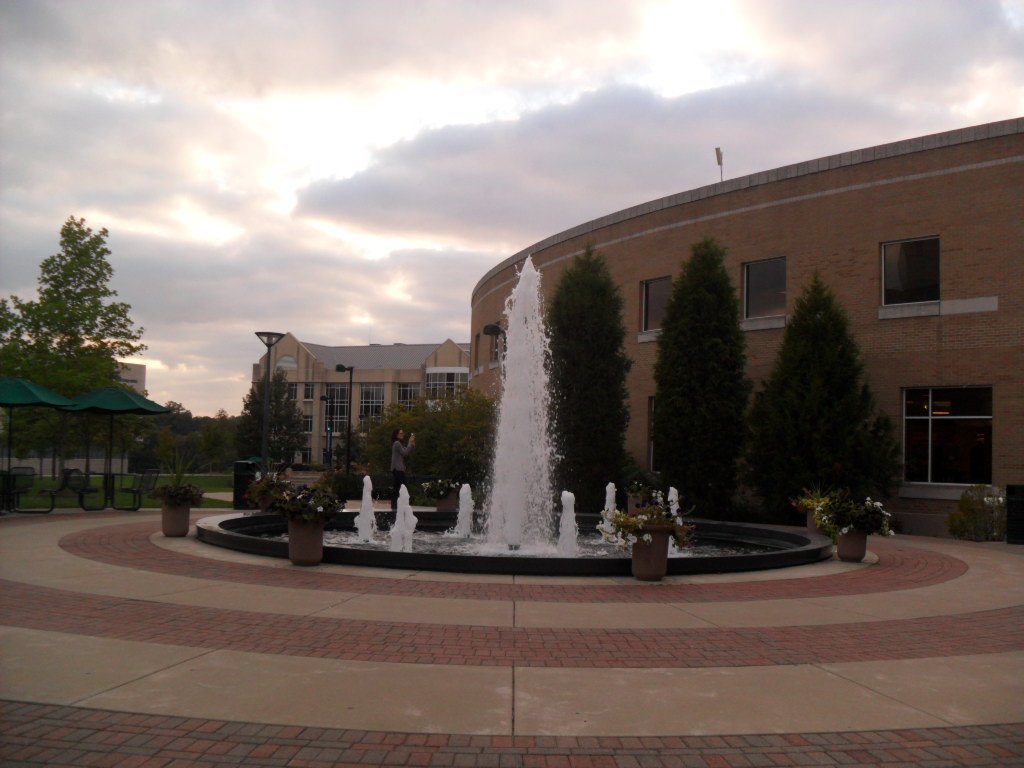
Southern Indiana winters require heavy coats, with temperatures often dropping below freezing from December through February. Spring brings mild weather perfect for outdoor activities along the campus's tree-lined walkways. Women outnumber men 62.5% to 37.5%, creating a female-majority environment. The Screaming Eagles compete in 15 NCAA Division II sports, with 326 total athletes representing about 6% of the student body.
Campus life centers around residence halls and the University Center, where students gather between classes. With 87% of students from Indiana, many go home on weekends, though campus programming keeps resident students engaged. The Ohio Valley Conference brings competitive basketball and other sports that draw student crowds. Study groups form easily given the 14:1 student-faculty ratio, and the suburban location means most social activities happen on campus rather than in surrounding Evansville.
- Setting
- Suburb-Midsize
- Housing Capacity
- 2,284 beds
- Calendar System
- Semester
- Study Abroad
- Available
- Founded
- 1965
Campus Safety (2023)
21 total reported incidents. Source: Clery Act / U.S. Department of Education
| Offense | On Campus | Residential | Noncampus | Public Property |
|---|---|---|---|---|
| Fondling | 3 | 3 | 0 | 0 |
| Rape | 2 | 2 | 0 | 0 |
| Stalking | 2 | 2 | 0 | 0 |
| Motor Vehicle Theft | 3 | 0 | 0 | 0 |
| Dating Violence | 1 | 1 | 0 | 0 |
| Domestic Violence | 1 | 1 | 0 | 0 |
Climate & Weather
- January Avg
- 25°–41°F
- July Avg
- 67°–86°F
- Annual Precipitation
- 44.8"
- Annual Snowfall
- 12.8"
Student Demographics
- Men
- 37.5%
- Women
- 62.5%
- White
- 83.6%
- Black
- 3.6%
- Hispanic
- 4.9%
- Asian
- 2.1%
- In-State Students
- 87.2%
- Pell Grant Recipients
- 22.3%
Location
- Address
- Evansville, Indiana 47712
After College
Source: College Scorecard / U.S. Department of Education
- Median Earnings (10 years)
- $47,605
- Median Earnings (5 years)
- $52,882
- Mean Earnings (6 years after entry)
- $32,900
- Loan Repayment Rate
- 59.2%
- Monthly Loan Payment
- $213/mo
- Median Debt at Graduation
- $20,105
Frequently Asked Questions
What is the acceptance rate at University of Southern Indiana?
University of Southern Indiana accepts 94.44% of applicants, making it accessible to most students who apply. The middle 50% of admitted students score between 1030-1240 on the SAT. This open admission policy reflects the university's mission to serve first-generation college students in southern Indiana.
How much does University of Southern Indiana cost after financial aid?
Students pay an average net price of $12,621 after financial aid at University of Southern Indiana. In-state tuition runs $10,136 while out-of-state students pay $22,573. Low-income families earning under $30,000 pay just $7,102 on average, making college affordable for working-class families.
What academic programs is University of Southern Indiana known for?
University of Southern Indiana offers strong programs in nursing, business, and engineering with a 14:1 student-faculty ratio. The university maintains 15 varsity sports teams competing in NCAA Division II. Faculty provide personalized attention in this comprehensive public university setting.
What are the graduation rates at University of Southern Indiana?
University of Southern Indiana graduates 52% of students within six years and maintains a 69.48% retention rate. Graduates earn a median salary of $47,605 ten years after graduation. The 97.8% employment rate shows strong job placement for alumni in the regional economy.
Where is University of Southern Indiana located and what is campus life like?
University of Southern Indiana sits in Evansville, a mid-sized suburban setting in southern Indiana. The campus houses 2,284 students in residence halls serving the 5,344 total enrollment. Women make up 62.5% of the student body while 87.17% of students come from Indiana.
Does University of Southern Indiana serve many first-generation college students?
University of Southern Indiana serves a significant population of first-generation college students, with 22.28% receiving Pell Grants indicating lower family incomes. Students graduate with a median debt of $20,105 and monthly loan payments of $213. This relatively young institution, founded in 1965, focuses on providing accessible higher education to working families.