
About Washtenaw Community College
Students from families earning under $30,000 pay just $2,431 after aid, while those from higher-income families face steeper costs up to $11,161. Graduates earn a median of $39,449 ten years out, which provides solid returns on the typical debt load of $13,310. Monthly loan payments average $141, making this an affordable path to career training or university transfer. Only 16.57% of students take federal loans, suggesting many pay as they go.
The student body reflects the area's diversity, with 17.90% Black students and strong representation across racial groups. Nearly all students come from in-state, creating a local community feel. The 30.30% six-year completion rate is typical for community colleges, where many students transfer before finishing or attend part-time while working.
Academics & Faculty
Source: College Scorecard / U.S. Department of Education
- Student-to-Faculty Ratio
- 18:1
- Full-Time Faculty
- 27.7%
- Graduation Rate (6-year)
- 30.3%
- Median Earnings (10 years)
- $39,449
Popular Programs by Earnings
| Program | Level | Median Earnings |
|---|---|---|
| Building/Construction Finishing, Management, and Inspection. | Associate | $64,493 |
| Registered Nursing, Nursing Administration, Nursing Research and Clinical Nursing. | Associate | $54,331 |
| Criminal Justice and Corrections. | Certificate | $51,792 |
| Allied Health Diagnostic, Intervention, and Treatment Professions. | Associate | $42,682 |
| Heating, Air Conditioning, Ventilation and Refrigeration Maintenance Technology/Technician (HAC, HACR, HVAC, HVACR). | Associate | $41,565 |
| Allied Health and Medical Assisting Services. | Associate | $40,896 |
| Criminal Justice and Corrections. | Associate | $40,467 |
| Dental Support Services and Allied Professions. | Certificate | $36,131 |
| Business Administration, Management and Operations. | Associate | $33,281 |
| Industrial Production Technologies/Technicians. | Associate | $32,925 |
Campus Life
Students bundle up for Michigan winters that stretch into March, with snow boots as essential as textbooks. The trimester system keeps momentum high year-round. With no on-campus housing, campus life revolves around classes, study groups, and club activities during weekday hours. The 18:1 student-faculty ratio means professors know your name and track your progress personally.
Weekends often mean heading home or exploring Ann Arbor's college town atmosphere. Many students work part-time jobs while taking classes, contributing to the 92.5% employment rate. The campus culture emphasizes practical goals over traditional college traditions. Students here are focused on either transferring to four-year universities or jumping into careers with their two-year degrees. Social connections happen more in classrooms and hallways than at big campus events.
- Setting
- Suburb-Large
- Calendar System
- Trimester
- Study Abroad
- Available
- Founded
- 1965
Campus Safety (2023)
1 total reported incident. Source: Clery Act / U.S. Department of Education
| Offense | On Campus | Residential | Noncampus | Public Property |
|---|---|---|---|---|
| Motor Vehicle Theft | 1 | 0 | 0 | 0 |
Climate & Weather
- January Avg
- 17°–31°F
- July Avg
- 62°–83°F
- Annual Precipitation
- 37.6"
- Annual Snowfall
- -720.4"
Student Demographics
- Men
- 45.2%
- Women
- 54.9%
- White
- 59.2%
- Black
- 17.9%
- Hispanic
- 8.0%
- Asian
- 3.2%
- In-State Students
- 97.3%
- Pell Grant Recipients
- 26.9%
Location
- Address
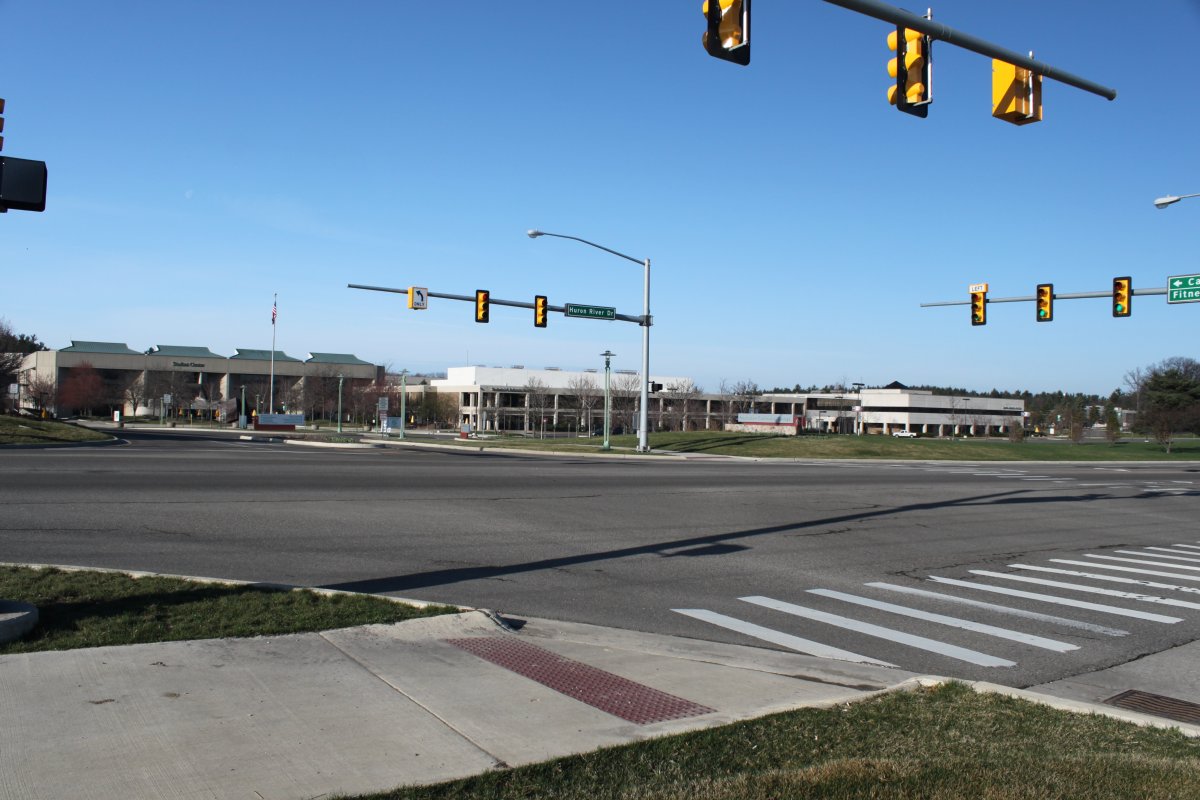
- Ann Arbor, Michigan 48105-4800
After College
Source: College Scorecard / U.S. Department of Education
- Median Earnings (10 years)
- $39,449
- Median Earnings (5 years)
- $47,863
- Mean Earnings (6 years after entry)
- $28,900
- Loan Repayment Rate
- 31.8%
- Monthly Loan Payment
- $141/mo
- Median Debt at Graduation
- $13,310
Frequently Asked Questions
What is the acceptance rate at Washtenaw Community College?
Washtenaw Community College operates as an open-enrollment institution, meaning virtually all applicants who meet basic requirements are accepted. The college serves 7,736 students and maintains a 97.33% in-state student population, reflecting its mission as a local educational resource for southeastern Michigan residents.
How much does Washtenaw Community College cost after financial aid?
Students pay an average net price of $3,561 after aid, with costs varying by family income. Low-income families earning under $30,000 pay just $2,431, while those earning over $110,000 pay $11,161, making this one of the most affordable higher education options in Michigan.
What academic programs is Washtenaw Community College known for?
The college operates on a trimester system and maintains an 18:1 student-faculty ratio. Known for strong transfer programs and career training, it serves as a stepping stone for students planning to transfer to four-year universities or enter the workforce directly with technical skills.
What are the graduation and employment outcomes at Washtenaw Community College?
The six-year graduation rate stands at 30.30%, which is typical for community colleges where many students attend part-time or transfer before completing degrees. Graduates achieve a 92.5% employment rate with median earnings of $39,449 ten years after enrollment, demonstrating strong workforce preparation.
Where is Washtenaw Community College located and what is campus life like?
The college sits in Ann Arbor, a large suburban setting that benefits from the university town atmosphere created by the University of Michigan. With 54.85% women and 45.15% men, the student body reflects the diverse demographics of southeastern Michigan, including 59.15% white and 17.90% Black students.
Does Washtenaw Community College offer good financial aid options?
The low aid percentage reflects the college's already affordable tuition of $2,736 for in-state students, with typical monthly loan payments of just $141 for those who do borrow.
Similar Schools





Affordable Programs in Michigan
College Planning Guides
About This Data
Statistics on this page come from the U.S. Department of Education’s College Scorecard and IPEDS (2023–24 data year), with climate normals from NOAA and campus safety figures from Clery Act reports. CampusGuide does not estimate or adjust reported figures. Read our full methodology.