About Albany State University
Students pay an average net price of $14,251 after financial aid, with 65% receiving Pell Grants for low-income families. Graduates earn a median of $40,674 ten years after leaving school. Students typically borrow $25,024 to complete their degrees, resulting in monthly loan payments around $265. The math works better for education majors than some other fields, but the employment rate hits 95.2%.
The graduation story tells a harder truth about student success. Only 23% of students finish in six years, though 78% return for their second year. The 20:1 student-faculty ratio means larger classes than at top colleges. Albany State competes in NCAA Division II with 11 varsity sports and awards $768,877 in athletic scholarships. This university works best for students who thrive in close-knit communities and need strong support systems.
Academics & Faculty
Source: College Scorecard / U.S. Department of Education
- Student-to-Faculty Ratio
- 20:1
- Full-Time Faculty
- 70.8%
- Graduation Rate (4-year)
- 24.7%
- Graduation Rate (6-year)
- 22.8%
- Retention Rate
- 78.4%
- Median Earnings (10 years)
- $40,674
- Carnegie Classification
- Master's University (Medium)
Popular Programs by Earnings
| Program | Level | Median Earnings |
|---|---|---|
| Registered Nursing, Nursing Administration, Nursing Research and Clinical Nursing. | Master | $105,306 |
| Registered Nursing, Nursing Administration, Nursing Research and Clinical Nursing. | Bachelor | $63,749 |
| Educational Administration and Supervision. | Doctoral | $59,873 |
| Registered Nursing, Nursing Administration, Nursing Research and Clinical Nursing. | Associate | $56,867 |
| Teacher Education and Professional Development, Specific Levels and Methods. | Master | $47,729 |
| Social Work. | Master | $43,128 |
| Marketing. | Bachelor | $41,565 |
| Criminal Justice and Corrections. | Master | $39,369 |
| Business Administration, Management and Operations. | Master | $38,289 |
| Management Information Systems and Services. | Bachelor | $37,593 |
Campus Life
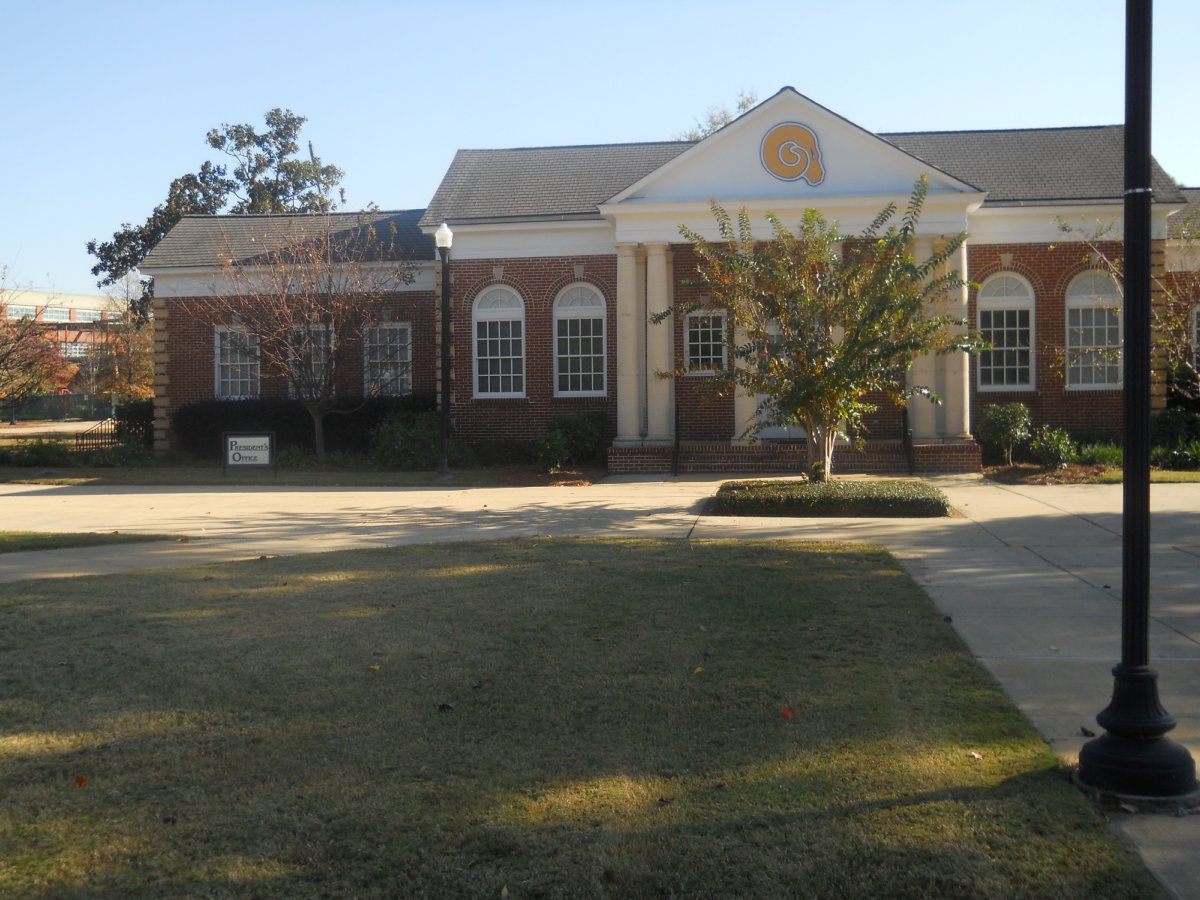
Women make up 74% of the student body at this historically black university, and the campus reflects a strong sense of community rooted in HBCU traditions. Students gather for Golden Rams athletics competitions and homecoming celebrations that draw alumni back to Albany. The 20:1 student-faculty ratio means classes feel personal despite the public university setting. Weekends often center around campus events, Greek life activities, and trips to nearby Chehaw Park or downtown Albany's historic district. With 89% of students coming from Georgia, many go home on weekends, but those who stay find plenty happening through the university's programming and the tight-knit residential community.
- Setting
- City-Small
- Housing Capacity
- 2,415 beds
- Calendar System
- Semester
- Study Abroad
- Available
- Founded
- 1903
Campus Safety (2023)
76 total reported incidents. Source: Clery Act / U.S. Department of Education
| Offense | On Campus | Residential | Noncampus | Public Property |
|---|---|---|---|---|
| Dating Violence | 21 | 20 | 0 | 0 |
| Fondling | 7 | 6 | 0 | 0 |
| Rape | 4 | 4 | 0 | 0 |
| Robbery | 3 | 2 | 0 | 0 |
| Stalking | 3 | 2 | 0 | 0 |
| Burglary | 2 | 2 | 0 | 0 |
Climate & Weather
- January Avg
- 36°–59°F
- July Avg
- 72°–92°F
- Annual Precipitation
- 51.4"
- Annual Snowfall
- 0.0"
Student Demographics
- Men
- 26.1%
- Women
- 73.9%
- White
- 6.7%
- Black
- 82.5%
- Hispanic
- 4.3%
- Asian
- 0.3%
- In-State Students
- 89.0%
- Pell Grant Recipients
- 65.0%
Location
- Address
- Albany, Georgia 31705
After College
Source: College Scorecard / U.S. Department of Education
- Median Earnings (10 years)
- $40,674
- Median Earnings (5 years)
- $46,266
- Mean Earnings (6 years after entry)
- $27,100
- Loan Repayment Rate
- 20.6%
- Monthly Loan Payment
- $265/mo
- Median Debt at Graduation
- $25,024
Frequently Asked Questions
What is the student body composition at Albany State University?
Albany State enrolls 5,829 students with women making up 73.87% of the student body. As a historically black public university, 82.45% of students are Black and 88.98% come from Georgia.
How much does Albany State University cost after financial aid?
Students pay an average net price of $14,251 annually. Nearly 65% of students receive Pell Grants, making this HBCU accessible to low-income families across Georgia.
What is the graduation rate at Albany State University?
Albany State has a 24.67% four-year graduation rate and 22.80% six-year graduation rate. The university maintains a 78.41% freshman retention rate while serving a predominantly first-generation college population.
How much do Albany State University graduates earn?
Graduates earn a median salary of $40,674 ten years after enrollment with a 95.2% employment rate. The university is known for strong programs in education and business that prepare students for public service careers.
What is campus life like at Albany State University?
The Golden Rams compete in NCAA Division II with 11 varsity sports and 286 student-athletes. Campus housing accommodates 2,415 students in this small city setting in southwest Georgia.
Does Albany State University have small class sizes?
The student-faculty ratio is 20:1, typical for a regional public university. Founded in 1903, Albany State has built a reputation for mentoring students from underserved communities throughout the state.